
Community & Collaboration
October 26, 2026
On Being Asked

# Diversity and Inclusion
# Accessibility
# Ally
Reflections on Disability and Inclusion at Work

Katie Grennell, PhD.
On Being Asked: Reflections on Disability and Inclusion at Work
Recently, I was traveling with colleagues for a campus event. After a long day, we gathered around a dinner table and did what colleagues often do when they’re away from home: we talked about work, life, and everything in between.
At one point, one of my colleagues asked me a simple question: “Why do you wear a brace?” The question itself wasn’t remarkable—it was simply a question from a colleague turned friend who wanted to know more about me. What felt remarkable was my reaction: I was genuinely excited to answer. Not because I particularly enjoy talking about wearing a brace (an ankle-foot orthosis, or AFO) or explaining my medical history, but because that moment reflected how much had changed. For years, I struggled to even identify as disabled, yet there I was, sitting at dinner, happy to talk about my disability, what my brace does, and how it affects my daily life.
As we talked, it dawned on me how far I’ve come. There was a time when I wouldn’t have called myself disabled at all, despite having been born disabled. As a kid, there were certain things I couldn’t do (and still can’t): stand on my tiptoes, run fast or far, or flex my foot up and down. But if there was a sport to join, I signed up. Basketball, volleyball, softball, swimming, soccer. I loved being active. Looking back, I sometimes wonder if I was trying to prove something to myself. Maybe I was determined to show that I wouldn’t be held back.
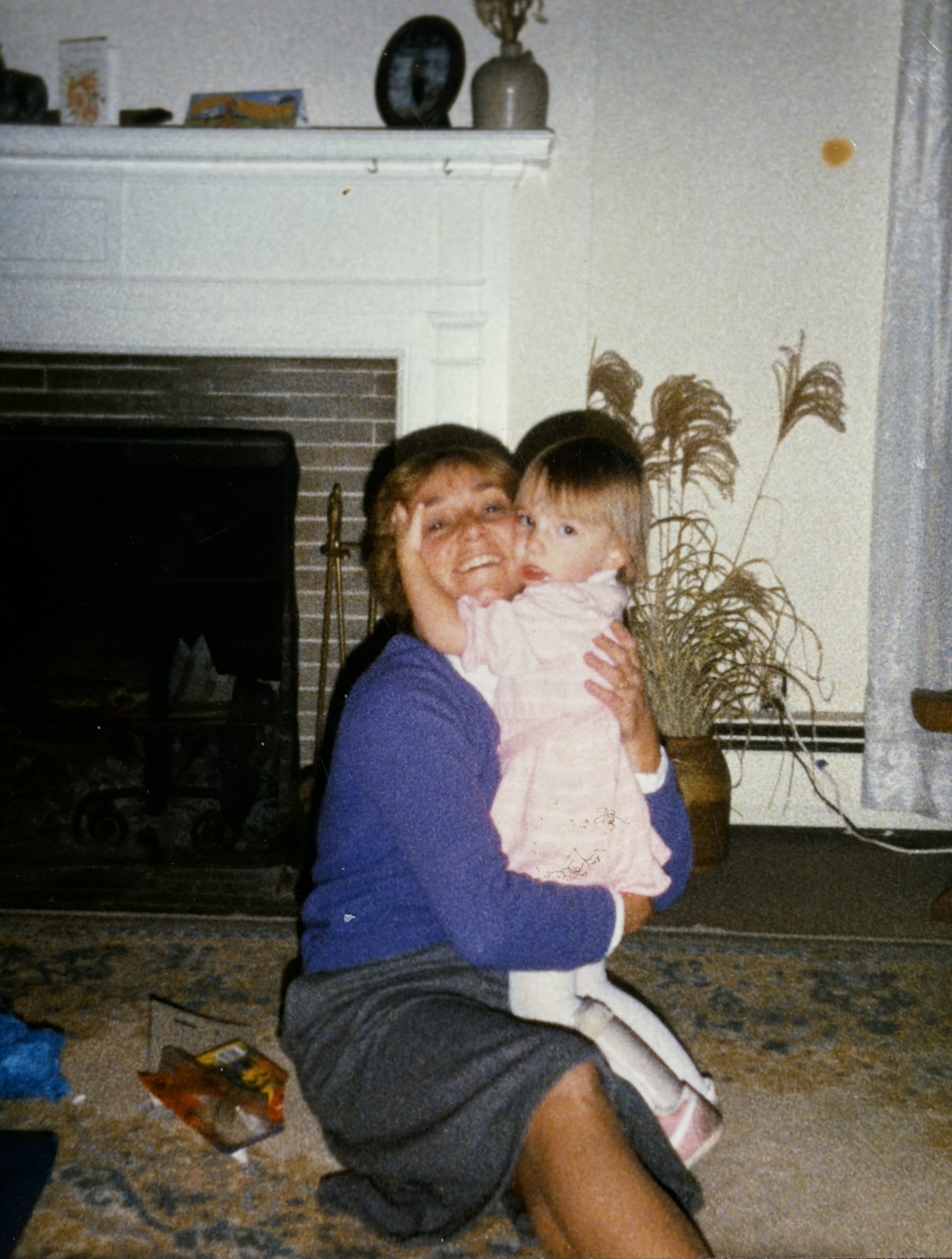
I even received an award in eighth grade for being a good sport and trying every athletic opportunity available to me. I remember feeling deeply embarrassed when I found out I’d won. Instead of feeling proud, I convinced myself it was a consolation prize, a pat on the back for trying my hardest despite being disabled. To be fair, I eventually recovered from the humiliation and happily spent the prize money at Rave and the Disney Store.
But that sense of shame followed me into my high school and young adult years. I spent a lot of energy refusing to even conceive of myself as disabled. I could walk, after all. Maybe not easily, maybe not without pain or fatigue, maybe not well without my brace, but I could technically walk. And because I wouldn’t let myself claim the word, I shut down any thought of the support that came with it. When someone suggested I apply for a disabled parking permit, I dismissed the idea outright. Surely those spaces were for people who needed them more than I did. Today, I recognize that for what it was: internalized ableism (and perhaps a hint of Irish stubbornness).
Like many disabled people, I had absorbed the idea that disability had to look a certain way and that asking for accommodations somehow meant taking resources away from someone else. It took years, and discovering the field of disability studies in graduate school, to unlearn that thinking.
Kids, it turns out, never got the memo that disability was something to avoid talking about. They ask about my brace all the time. The questions are rarely awkward. They’re simply curious. I give them an age-appropriate answer, they say, “Oh, that’s cool,” and then they’re immediately on to the next thing that has claimed their attention. No judgment. No discomfort. No assumption that the topic is off-limits. Just curiosity.
The conversation with my colleague felt a lot like that. They weren’t asking because they were being nosy. They simply wanted to understand something about me, and I wanted them to. There was something beautiful about how simple it all was.
That ease didn’t come naturally. I worked for it, unlearning shame and choosing openness, even when it felt risky. And it meant that when someone asked a respectful question, I could answer it honestly and be seen as the same person afterward.
Reflecting on that dinner, I’d like to think my own journey, and years of listening to others share theirs through my work, helped create space for conversations like that one. Because disability shouldn’t be something we feel obligated to hide. And it shouldn’t be something people are afraid to talk about.
This National Disability Employment Awareness Month (NDEAM), I’m finding myself less focused on awareness and more focused on understanding. Awareness is knowing disability exists. Understanding is being willing to ask about it, and to listen. Policies, programs, and technology all matter in building inclusive workplaces. But that dinner reminded me that inclusion at work isn’t only built in meetings and handbooks. It’s built in the moments between colleagues.
It’s built when people feel comfortable bringing their whole selves to work.
It’s built when respectful questions are met with honest conversation.
It’s built when disability is treated as a natural part of human diversity rather than something to avoid or fix.
This October, I’m grateful for a lovely colleague who felt comfortable enough to ask. This year’s NDEAM theme is “Celebrating Value and Talent,” and I can’t help thinking about that eighth-grader who saw her award as nothing more than a consolation prize. These days, when someone asks about my brace, I’m happy to tell them, and the more openly we talk about disability, the more natural it becomes. Ad these days, I'm so glad to be asked.
Comments (0)
Popular

Dive in
Related
Blog
The latest in AI-powered pedagogy: Three great new capabilities on the way for AVA
Sep 23rd, 2026 • Views 137
Blog
Doubling Down on Usability: Major Enhancements in the Blackboard LMS Roadmap
Jul 31st, 2026 • Views 97
Blog
Doubling Down on Usability: Major Enhancements in the Blackboard LMS Roadmap
Jul 31st, 2026 • Views 97
Blog
The latest in AI-powered pedagogy: Three great new capabilities on the way for AVA
Sep 23rd, 2026 • Views 137